The United Nations is a monstrous beast.
Every year, Indigenous leaders advocate for the rights of their communities over topics from land rights conflicts to climate change issues at the UN.
But within its halls, having a voice is not always enough.
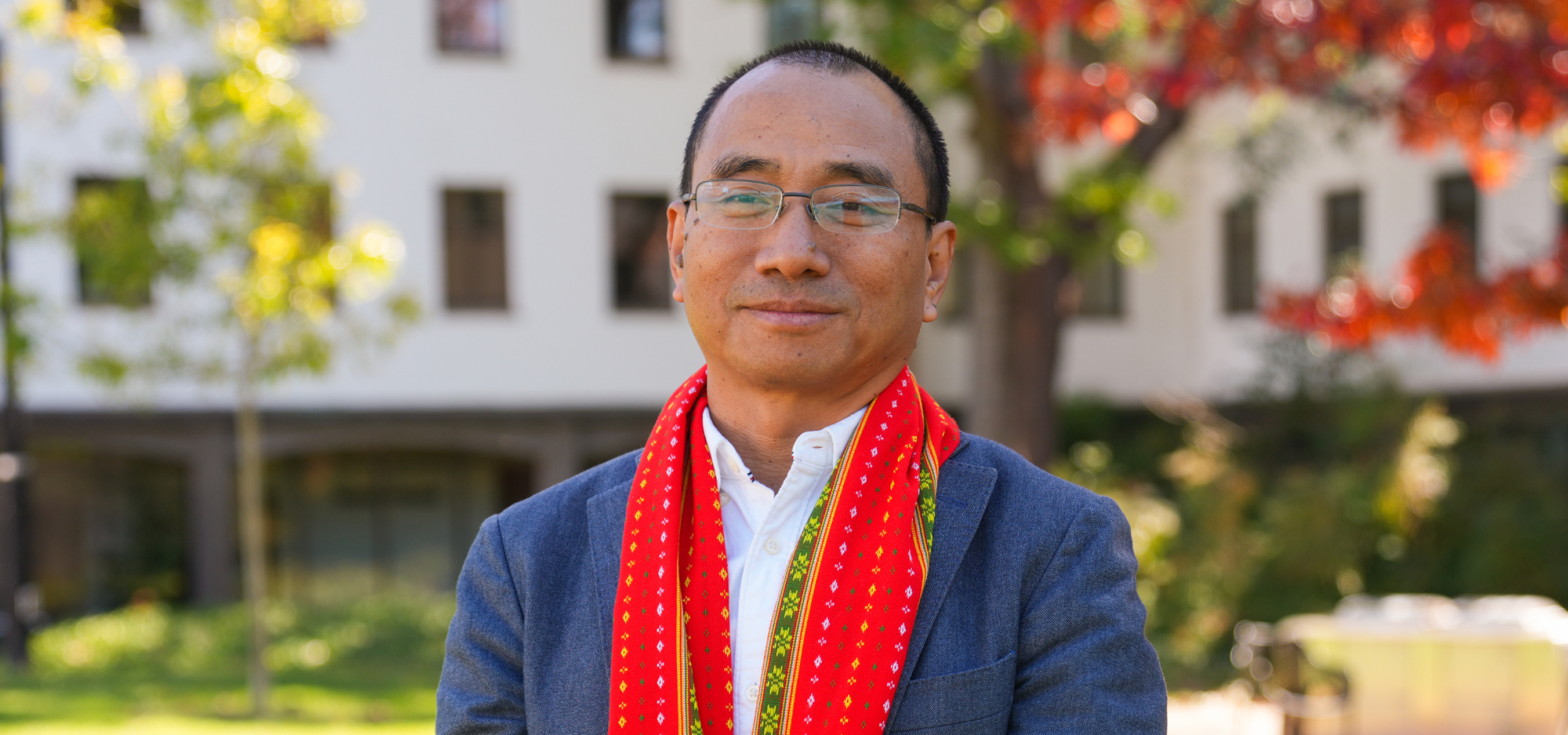
According to ANU Law School researcher Dr Binota Moy Dhamai, understanding how the UN works and how to negotiate with skills can make the difference between simply speaking out and actually being heard
And Binota is helping Indigenous Peoples do just that.
An expert member of the UN Expert Mechanism on the Rights of Indigenous Peoples (EMRIP), Binota has years of experience providing advice to the UN Human Rights Council on Indigenous Peoples' human rights and achieving the goals of the UN Declaration on the Rights of Indigenous Peoples.
“For there to be progress, it is important there is an understanding of the role the UN plays as a platform for Indigenous peoples.”
At the recent United Nations Permanent Forum on Indigenous Issues (UNPFII), he trained, presented and upskilled Indigenous peoples on the finer details of the inner workings of the UN.
The expert recommendations that stem from the Forum can be submitted directly to the Council and UN entities, potentially influencing UN discussions on Indigenous Peoples related issues.
To help people navigate this system, Binota’s focus was teaching others how to effectively engage with UN bodies and ensuring that people come to the table prepared for all the intricacies at play.
“I explained to them that they needed to have a clear understanding of what their concerns are, their situation on the ground, and their realities that should be addressed in these kinds of meetings,” Binota says.
Progress is also about understanding the background behind alliances, and who negotiators can work with on key issues to strengthen recommendations to both individual governments and the UN.
Land rights conflict
One of the key topics Indigenous leaders repeatedly return to is land.
While to many governments, land is a form of economic resource, for Indigenous Peoples, Binota says, it’s culture, identity and their survival.
Participating in a panel attended by government, UN and Indigenous bodies, he says this is the one key issue that Indigenous Peoples need to convey with clarity.
“Beyond other issues, the knowledge transfer and intergenerational approach is vital for Indigenous Peoples survival,” he explained.
When land is taken without consent, it risks Indigenous Peoples both physically, spiritually, and intergenerationally with the loss of cultural practices. “Legal protection for Indigenous land is a human right and part of self-determination," Binota says.
“Now when the government comes, with the government process, sometimes they take away their land and territory without consent; this generates conflict. When Indigenous Peoples defend their land, they then face the wrath of the government which in some instances includes violence towards their person or community,” he says.
This makes Indigenous conversations happening at the United Nations even more important.
Climate change
Another survival-threatening issue for Indigenous Peoples is climate change.
“From an Indigenous perspective, we are the front-line of the climate victims. From sea levels rising, food production issues, and the conflicts that are arising because of the climate change issues,” Binota says.
Based on this understanding, Binota along with other Indigenous advocates, discussed an initiative on how this reality for Indigenous Peoples needs to be respected as the states grapple with the obligation to implement the advisory opinion of the International Court of Justice (ICJ) on obligations of States in respect of climate change.
“From my perspective, because it has not yet been grounded in national context, many countries are still reluctant to follow this Advisory Opinion. But from an Indigenous perspective, we need to advocate for how to implement this at the domestic level.”
For Binota, it is clear that Indigenous Peoples need to continue to have the opportunity to learn how to work within the United Nations systems, to further their goals and agendas and better represent their peoples.
After all, effective advocacy begins long before Indigenous leaders enter the negotiating room.